
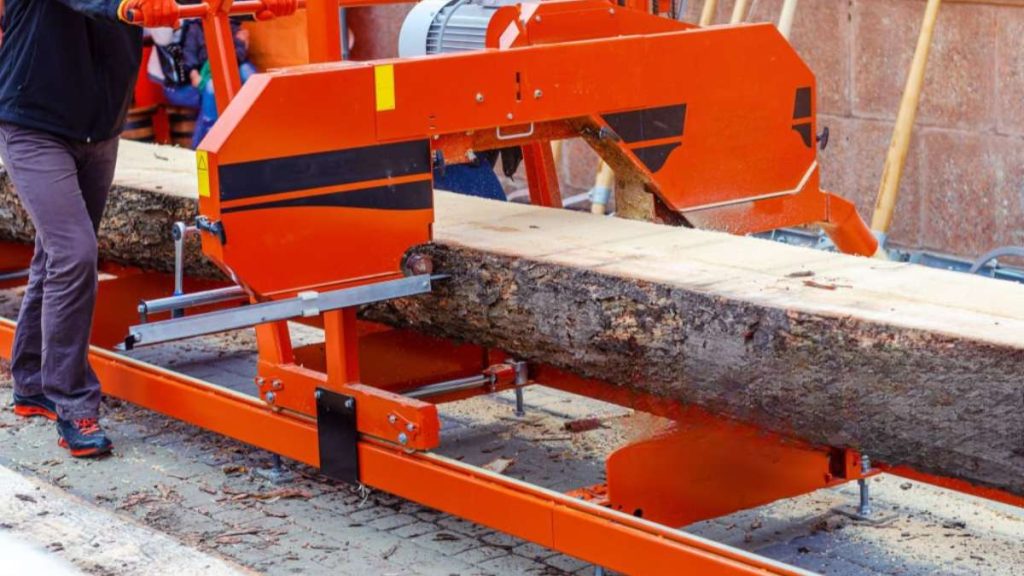
The most efficient way to split logs is by using a log splitter machine. This equipment uses hydraulic pressure to easily and quickly split logs into firewood.
Splitting logs manually with an axe or a maul can be time-consuming and physically demanding. However, with a log splitter, the process becomes much easier and less strenuous. Log splitters are available in various sizes and types, including gas-powered, electric, and hydraulic models.
Gas-powered log splitters are suitable for heavy-duty splitting tasks, while electric log splitters are more suitable for smaller logs and lighter workloads. Hydraulic log splitters provide a good balance between power and convenience. By utilizing a log splitter, you can efficiently split logs and save time and effort, making it an ideal option for homeowners and professionals alike.


Why Mastering Log-Splitting Techniques Is Essential
The Importance Of Efficient Log-Splitting
Splitting logs may seem like a straightforward task, but mastering the proper techniques for log splitting is essential for several reasons. Whether you’re a professional logger or a homeowner looking to make firewood, understanding the most efficient methods can greatly enhance both productivity and safety.
Let’s dive into why log-splitting techniques are crucial and how they can benefit you.
Enhancing Productivity And Saving Time With Proper Techniques
Efficiency is key when it comes to log splitting. Utilizing effective methods, it’s feasible to markedly enhance your productivity and salvage significant time. Consider the following key points:
- Choosing the right tools: Opting for a high-quality log splitter will streamline the process and help you split logs more efficiently.
- Proper positioning: Positioning the log correctly on the splitter can make a significant difference. Ensuring it is placed securely and aligning the grain of the wood with the splitter’s blade will make splitting easier.
- Using the appropriate force: Applying the right amount of force can save time and energy. Understanding how much force is required for different types of wood can prevent unnecessary strain and ensure a quicker splitting process.
- Optimizing your technique: Learning the best techniques, such as taking advantage of the wood’s natural cracks, can lead to more efficient splitting. Additionally, utilizing proper body mechanics and employing a smooth, fluid motion will help you split logs with ease.
By incorporating these techniques into your log-splitting routine, you can maximize productivity, save time, and tackle your log-splitting tasks more efficiently than ever before.
Minimizing The Risk Of Injuries And Accidents
While efficiency is important, safety should always be the top priority when it comes to log splitting. Improper techniques can lead to serious injuries or accidents. Here’s why mastering log-splitting techniques is essential for safety:
- Avoiding accidents: Using the correct tools and techniques can minimize the risk of accidents, such as a log slipping or the splitter becoming unstable during the splitting process.
- Preventing strain and injuries: Proper positioning, technique, and understanding of the log’s natural structure can help prevent strain and injuries caused by improper lifting, repetitive motions, or excessive force.
- Utilizing protective gear: Proper techniques also involve using protective gear, such as gloves and safety glasses, which can shield you from potential harm and keep you safe throughout the log-splitting process.
By mastering log-splitting techniques, you can minimize the risk of injuries and accidents, ensuring a safer experience for yourself and those around you.
Remember, efficient log splitting not only enhances your productivity but also reduces the chances of accidents. By using the right tools, employing proper techniques, and putting safety first, you can master the art of log splitting and benefit from increased efficiency and improved safety.
So, dive in, practice, and enjoy the satisfaction of splitting logs like a pro!
Choosing The Right Log-Splitting Equipment
Assessing Different Types Of Log Splitters Available
When it comes to splitting logs efficiently, choosing the right log-splitting equipment can make all the difference. Different alternatives are within reach, each with its own set of boons and banes. To help you make an informed decision, let’s assess different types of log splitters:
Gas-powered log splitters for increased power and speed: Gas-powered log splitters are known for their robust performance and ability to tackle large logs. Here are some key points to consider:
- Gas-powered log splitters are ideal for heavy-duty log-splitting tasks, such as processing large quantities of firewood.
- These splitters are equipped with powerful engines, providing enhanced splitting force and faster cycle times.
- They offer greater mobility, as they do not require a power outlet, making them suitable for use in remote areas.
- Gas-powered log splitters come in vertical and horizontal configurations, catering to different log sizes and orientations.
Electric log splitters for convenience and ease of use: If you prioritize convenience and ease of use, electric log splitters should be on your radar. Here’s what you need to know:
- Electric log splitters are suitable for smaller log-splitting tasks and homeowners who do not require heavy-duty performance.
- They are generally quieter and produce no exhaust fumes, making them more environmentally friendly.
- Electric log splitters are easy to operate, typically requiring just a push of a button to start splitting logs.
- They are more compact and lightweight compared to gas-powered splitters, making them easier to transport and store.
By carefully considering your log splitting needs and evaluating the advantages of different log splitters, you can choose the one that best suits your requirements. Whether you opt for the increased power and speed of gas-powered log splitters or the convenience of electric ones, having the appropriate equipment will save you time and effort in your log-splitting endeavors.
Now, let’s get that firewood ready for cozy evenings around the campfire!
Mastering The Ax Technique For Manual Log-Splitting
Splitting logs manually may be a tough job, but with the correct tactics, it can become much more streamlined and effortless. In this section, we will delve into the proper stance and grip for maximum control and safety, as well as how to use swing momentum effectively.
We will also provide valuable tips on maintaining the axe, ensuring its longevity for years to come.
Proper Stance And Grip For Maximum Control And Safety
To master the ax technique for manual log-splitting, it is crucial to start with the right stance and grip. Follow these guidelines to maximize control and ensure your safety:
- Stand with your feet shoulder-width apart, maintaining a stable base.
- Position yourself perpendicular to the log, allowing for better balance and power delivery.
- Grip the ax handle firmly with both hands, making sure your dominant hand is closer to the ax head for better control.
- Keep your arms slightly bent, maintaining flexibility and allowing for a fluid swinging motion.
- Place your non-dominant hand at the base of the handle, providing stability and support.
- Maintain a relaxed grip to prevent unnecessary strain on your muscles.
Using The Swing Momentum Effectively To Split Logs Effortlessly
The key to splitting logs effortlessly lies in utilizing the swing momentum effectively. Follow these tips to make the most out of your swing and split logs with ease:
- Maintain a smooth and consistent swinging motion, using your entire body’s strength rather than relying solely on your arms.
- Start with a controlled backward swing, allowing the ax to build momentum.
- Shift your weight forward as you bring the ax down, transferring power into the swing.
- Aim for the center of the log, focusing on hitting the same spot repeatedly to increase efficiency.
- Follow through with the swing, allowing the ax to continue its downward trajectory even after the impact.
- Use the momentum of the swing to your advantage, reducing the effort required to split the log.
Tips For Maintaining The Axe And Ensuring Longevity
Proper maintenance is essential for preserving the quality and longevity of your axe. Consider these tips to keep your tool in excellent condition:
- Regularly clean and remove any debris or sap from the blade after each use, preventing rust and damage.
- Apply a thin layer of protective oil to the blade to prevent corrosion during storage.
- Sharpen the blade periodically using a file or sharpening stone, ensuring optimal cutting performance.
- Check the handle for any signs of wear or splintering, and replace it if necessary.
- Store your axe in a dry and secure location to avoid exposure to moisture, which can lead to rust.
- Avoid using the axe for tasks it is not intended for, such as hammering or chopping hard surfaces, to prevent unnecessary damage.
By mastering the ax technique and practicing proper maintenance, you can split logs efficiently while ensuring the longevity of your tool. Remember to prioritize safety throughout the process and enjoy the satisfaction of splitting logs effortlessly.
Unlocking The Efficiency Of Hydraulic Log Splitters
Splitting logs can prove to be a physically straining and time-consuming task, but with the correct equipment, the procedure can be less taxing and more streamlined. One such tool is the hydraulic log splitter, which offers several advantages over other types of log splitters.
In this section, we will explore the key advantages of hydraulic log splitters, how hydraulic pressure and force distribution work, and how to adjust the log splitter to different log sizes and types.
Advantages Of Hydraulic Log Splitters Over Other Types:
-
- Hydraulic log splitters are generally more powerful than electric or manual log splitters. They can generate a significant amount of force, allowing them to split even the toughest logs effortlessly.
- These log splitters are also faster compared to other types. The hydraulic system provides rapid movement, making the splitting process quicker and more efficient.
- Hydraulic log splitters require less physical effort from the operator. With a push of a button or a lever, the hydraulic pump engages, taking care of the splitting force. This reduces fatigue and strain on the user’s body.
- Another advantage is their versatility. Hydraulic log splitters can handle logs of various sizes and types, whether they are small branches or large hardwood pieces. This versatility makes them suitable for a wide range of logging projects.
Understanding Hydraulic Pressure And Force Distribution:
-
- Hydraulic log splitters operate based on the principles of fluid mechanics, specifically hydraulic pressure. The hydraulic pump exerts pressure on the fluid, forcing it to move through the system and apply force to the log being split.
- This force is distributed evenly across the log, ensuring efficient splitting without the risk of jamming or uneven breaks. The hydraulic system can handle different log densities and sizes, effectively adapting to the specific properties of each log.
- The pressure and force distribution in hydraulic log splitters can be adjusted to optimize the splitting process. By controlling the pressure setting, operators can achieve the desired force for different log types, ensuring clean and precise splits.
Adjusting The Log Splitter To Different Log Sizes And Types:
-
- Hydraulic log splitters offer adjustable features to accommodate various log sizes and types. The log cradle can be positioned at different heights to support logs of different lengths, preventing them from falling during the splitting process.
- The splitting wedge can also be adjusted to handle logs with different diameters. By choosing the appropriate wedge size, the operator can optimize the splitting force for the specific log being processed.
- Additionally, some hydraulic log splitters have a two-way splitting capability. This means they can split logs both horizontally and vertically, providing versatility for different applications and woodcutting projects.
Having explored the merits of hydraulic log splitters over other options, understanding the principles of hydraulic pressure, force distribution, and the adjustment of the splitter for different log sizes and types, you’re now ready to make an informed decision on the most effective way to split logs.
Whether you’re a professional in logging or a DIY buff, a hydraulic log splitter may be the very tool you need to expedite and streamline the task.
Safety Measures For Log-Splitting Mastery
Log-splitting can be a rewarding and efficient way to prepare firewood or lumber. However, it is important to prioritize safety when engaging in this task to prevent accidents and injury. By following a few key safety measures, you can ensure a safe and enjoyable log-splitting experience.
Let’s explore some essential precautions to keep in mind:
Importance Of Wearing Protective Gear
Wearing the appropriate protective gear is crucial when operating a log splitter. The following items provide essential protection:
- Safety goggles: Shield your eyes from flying wood chips and debris.
- Gloves: Protect your hands from splinters, blisters, and potential cuts.
- Steel-toed boots: Provide sturdy foot protection against heavy logs or falling objects.
- Hearing protection: Minimize the risk of hearing damage from loud machinery.
- Long pants and sleeves: Keep your limbs covered to reduce the chance of injury.
Creating A Safe Working Environment
To ensure a safe log-splitting session, it is important to establish a secure working environment. Consider the following measures:
- Clear the area: Remove any obstacles, debris, or tripping hazards from the vicinity of the log splitter.
- Adequate lighting: Ensure proper visibility, especially if you plan on working during the evening or in dimly lit areas.
- Stable ground: Position the log splitter on a level surface to prevent it from shifting or tipping while in use.
- Well-maintained equipment: Regularly inspect the log splitter for any damaged or worn-out parts that may compromise safety.
- Keep children and pets at a safe distance: Restrict access to the log-splitting area to avoid accidents.
Knowing When To Seek Professional Assistance
While log splitting can be a satisfying diy activity, there are instances when it is best to seek professional assistance. Consider the following scenarios:
- Large or difficult logs: If you encounter oversized or challenging logs that you are not confident in handling safely, it may be wise to consult a professional.
- Lack of experience: If you are new to log splitting or unfamiliar with the specific machinery, seeking expert help can prevent accidents and injuries.
- Limited physical strength: Splitting logs requires physical strength and stamina. If you have limited abilities in this aspect, professional assistance may be the safer choice.
- Time constraints: If you are facing time constraints or simply prefer to prioritize other tasks, hiring a professional can save you time and effort.
Remember, your safety should always be the top priority when engaging in log splitting. By wearing protective gear, creating a safe working environment, and knowing when to seek professional assistance, you can achieve mastery in log splitting without compromising your well-being.
Happy splitting!
Tips And Tricks For Efficient Log-Splitting
Log-splitting can be a physically strenuous job, but with the correct methods and a bit of expertise, you can streamline the process and conserve both time and energy. In the following part, we’ll provide some valuable recommendations and tactics that can guide you in effectively splitting logs.
Choosing The Right Logs For Easier Splitting
To ensure efficient log-splitting, it’s essential to choose the right logs. Here are some key points to keep in mind:
- Opt for seasoned wood: Splitting seasoned wood is generally easier than splitting green or freshly cut logs. Seasoned wood has a lower moisture content, making it less resistant to splitting.
- Look for straight-grained logs: Logs with straight grain are easier to split due to the natural splitting lines they possess. Avoid logs with knots or irregularities, as they can make the process more challenging.
- Consider log diameter: Thinner logs are generally easier to split than thicker ones. If you have a choice, go for logs with a diameter of 6 to 12 inches for optimal efficiency.
Splitting Techniques For Different Log Shapes And Sizes
Different log shapes and sizes require different splitting techniques. Here are some strategies to consider:
- For large logs: Use a splitting maul or heavy axe to split large logs. Aim for the center of the log and use a powerful swing to drive the tool through the wood. If the log has a particularly thick diameter, consider using a log splitter or wedges to help with the process.
- For irregularly shaped logs: Logs with irregular shapes can be challenging to split. Look for natural cracks or knots in the wood and aim to split along those lines. Alternatively, you can create your own notches using a chainsaw or another cutting tool to guide your splitting efforts.
- For twisted logs: Twisted logs can be frustrating to split. Look for the natural grain pattern and try splitting along those lines. If the log is exceptionally twisted, consider using a hydraulic log splitter for better results.
Stacking And Storing Split Logs For Optimal Use
Once you’ve successfully split your logs, proper stacking and storing techniques are essential for maintaining their quality and ease of use. Consider the following points:
- Allow for proper airflow: To prevent mold and ensure proper seasoning, stack your split logs in a way that allows for adequate airflow. Avoid stacking logs directly on the ground and use stacking supports or pallets instead.
- Create a stable stack: Build a stable stack by interlocking the logs and alternating their direction. This helps prevent the stack from collapsing and makes it easier to access individual logs when needed.
- Keep logs dry: To prevent moisture absorption, store split logs in a dry location, such as a covered woodshed or garage. When you don’t have a protected space available, consider the usage of a water-resistant sheet or tarp to safeguard your stack from the elements.
By following these tips and tricks, you can make your log-splitting process more efficient and enjoy the benefits of well-prepared firewood. Happy splitting!
Frequently Asked Questions Of What Is The Most Efficient Way To Split Logs?
How Do You Split Logs Efficiently?
To split logs efficiently, start by using a sharp axe or a log splitter. Position the log securely and aim for the wood’s center. Strike the log with force, making sure to follow through with your swing. Repeat the process until the log is split.
Practice proper safety measures when handling tools.
What Is The Best Tool For Splitting Logs?
The best tools for splitting logs are a sharp splitting axe or a log splitter. A sharp splitting axe allows you to exert force and control, while a log splitter is an efficient and faster option. Choose the tool that suits your needs and experience level for a successful log-splitting process.
What Are Some Tips For Splitting Logs Faster?
To split logs faster, make sure your tools are properly maintained and sharpened. Use a maul or sledgehammer for larger logs and a sharp axe for smaller ones. Position the logs correctly to make the most out of your swing and momentum.
Additionally, consider investing in a log splitter for a quicker alternative.
Conclusion
Splitting logs efficiently is a must for anyone who regularly deals with firewood. By utilizing appropriate strategies and instruments, you can conserve both time and energy in the process. One of the most efficient ways to split logs is by using a log splitter or a maul.
These tools are designed to apply force in a precise manner, making it easier to split the wood. Additionally, it is crucial to consider the position and size of the log before splitting it. By positioning the log on a stable surface and using wedges or a chopping block, you can ensure a safer and more effective splitting process.
Always wear proper safety accessories, including goggles and gloves, to safeguard yourself during the process. With these tips in mind, you can split logs efficiently, making your firewood preparation a breeze. So, get ready to tackle those logs and enjoy the warmth and coziness of your fireplace.